

Lorie Hearn
Executive Director and Editor of inewsourceLorie Hearn is the executive director and editor of inewsource. She founded inewsource (formerly called the Watchdog Institute) in the summer of 2009, following a successful 35-year reporting and editing career in newspapers. She retired from The San Diego Union-Tribune, where she had been a reporter, Metro Editor and finally the senior editor for Metro and Watchdog Journalism. In addition to department oversight, Hearn personally managed a four-person watchdog team, composed of two data specialists and two investigative reporters. Hearn was a Nieman Foundation fellow at Harvard University in 1994-95. She focused on juvenile justice and drug control policy, a natural course to follow her years as a courts and legal affairs reporter at the San Diego Union and then the Union-Tribune. Hearn became Metro Editor in 1999 and oversaw regional and city news coverage, which included the city of San Diego’s financial debacle and near bankruptcy. Reporters and editors on Metro during her tenure were part of the Pulitzer Prize-winning stories that exposed Congressman Randy “Duke” Cunningham and led to his imprisonment. Hearn began her journalism career as a reporter for the Bucks County Courier Times, a small daily outside of Philadelphia, shortly after graduating from the University of Delaware in 1974. During the next two decades, she moved through countless beats at five newspapers on both coasts. High-profile coverage included the historic state Supreme Court election in 1986, when three sitting justices were ousted from the bench, and the 1992 execution of Robert Alton Harris. That gas chamber execution was the first time the death penalty was carried out in California in 25 years. In her nine years as Metro Editor at the Union-Tribune, Hearn made watchdog reporting a priority. Her reporters produced award-winning investigations covering large and small local governments. The depth and breadth of their public service work was most evident in coverage of the wildfires of 2003 and then 2007, when more than half a million people were evacuated from their homes. Contact Lorie at loriehearn@inewsource.org.
-
 Supervisor Jim Desmond supported a $1.8M feasibility study on cleaning the entire Tijuana River. But he’s against the very thing that could pay for the fix.
 -
 The average price has increased $1.48 since the start of the joint U.S.-Israel war on Iran on Feb. 28, which sent oil prices higher and drastically accelerated increases at the gas pump.
 -
 Ms. Rachel has conquered YouTube, Netflix and the toy aisle. Now she's making an album, with real instruments, big feelings and her littlest listeners in mind.
 -
 Warren Buffett is stepping down as chairman of Berkshire Hathaway after serving in the role for more than 50 years. His son, Howard, will become Berkshire Hathaway's new chairman
 -
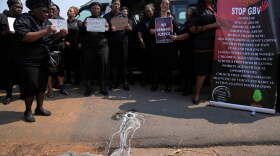 South Africa has some of the highest rates of violence against women in the world, and a spate of killings of nine women in the same area in recent weeks has led to renewed outrage.
 -
 The world made it to another Friday without an AI apocalypse, so here's the quiz! See you next week … maybe.


- ‘Plug-in’ solar may provide rate relief for households that can’t get rooftop panels
- Navy retreats on personal AC ban in Point Loma barracks
- 15 free ways to explore San Diego Design Week 2026
- San Diego threatens licensing action after Otay Mesa Detention Center conceals suspected TB case
- Average San Diego County gas price rises to highest amount since May 22