
Is dust art? What about time? Or peculiar yuletide figurines? Mark Quint of Quint Gallery says yes to all that. Quint delights in defying expectations. That’s why he opened The Museum Of __ in 2018. There’s a purposeful blank at the end of that name — an invitation to fill it in with endless possibilities and a gauntlet thrown down to challenge the status quo.
"I've collected all my life, whether it's art, furniture, strange objects, normal objects, and decided to start a museum that, well, you can tell by the name, The Museum Of __, it kind of can be anything," Quint said.
Take his show "Dust to Dust."

"The history of dust started off with the Dust Bowl. It started off with particles of dust, meteors that turn into dust when they come to Earth. Dust, we had dust from 9/11. It was a very kind of complicated show of a very common subject," Quint explained.

The museum’s website states that it is "dedicated to the study and showcasing of all that is extraordinary AND ordinary. This museum has no board of directors, no admission charge, no membership fee and informs you that you’re already a member, whether you like it or not."
Ethan Chan is Quint’s collaborator at the Museum Of __ and applauds that mission.
"It was a space created to hold separate projects outside of Quint Gallery, specifically to showcase not just artworks but objects and narratives and stories that, the metric was that they were both ordinary and extraordinary objects," Chan said. "When I was onboarded, we shifted gears towards really niche themes and ambiguous artwork."
The first show Chan co-curated with Quint was called "Liquid Ecstasy/Dirty Dreams."

"It's an entire exhibition with fiction and history based off of soap," Chan said. "We like to showcase how its ordinariness is also really special when observed."
It is about letting things that exist in the world do the work on their own.
"I think that a lot of great art making and great curating is sometimes just pointing a finger in the right direction or at the right object or the right person," Chan added. "And I think that that kind of simplicity works best often."
The Museum Of __ has a distinctly different personality from Quint Gallery in La Jolla, which presents a more formal exhibit space.
"It can be a little bit daunting," Quint admitted. "People don't think they know enough about art to really appreciate it. With The Museum Of __ it's objects that people can relate to."
So relatable that you might not think of them as art.

"If you ran across it walking down an alley, you'd just think it was trash, which kind of relates to the show that we have going on right now, which is on garbage," Quint said.
The "Garbage" show had an unlikely starting point.
"I have to say it was mostly the Garbage Pail Kids trading cards. As embarrassing as that is, it wasn't anything grand," Chan revealed with a laugh.
But the original Garbage Pail Kids cards were in Quint’s collection, and so the "Garbage" exhibition was born.
The museum describes the exhibit as a strange gathering of images and objects repurposed from the aesthetic afterlife of stuff. Discarded, dented and occasionally sticky, the works ponder whether trash is just matter out of place, or the Museum’s next acquisition.

The showcase includes actual trash like Kim MacConnel’s "The Beach Collection," a large-scale assemblage of trash washed up on beaches, or in "Autopsy: The Celebrity Trash Project," which offers photographic compilations of objects stolen from celebrity trash cans.
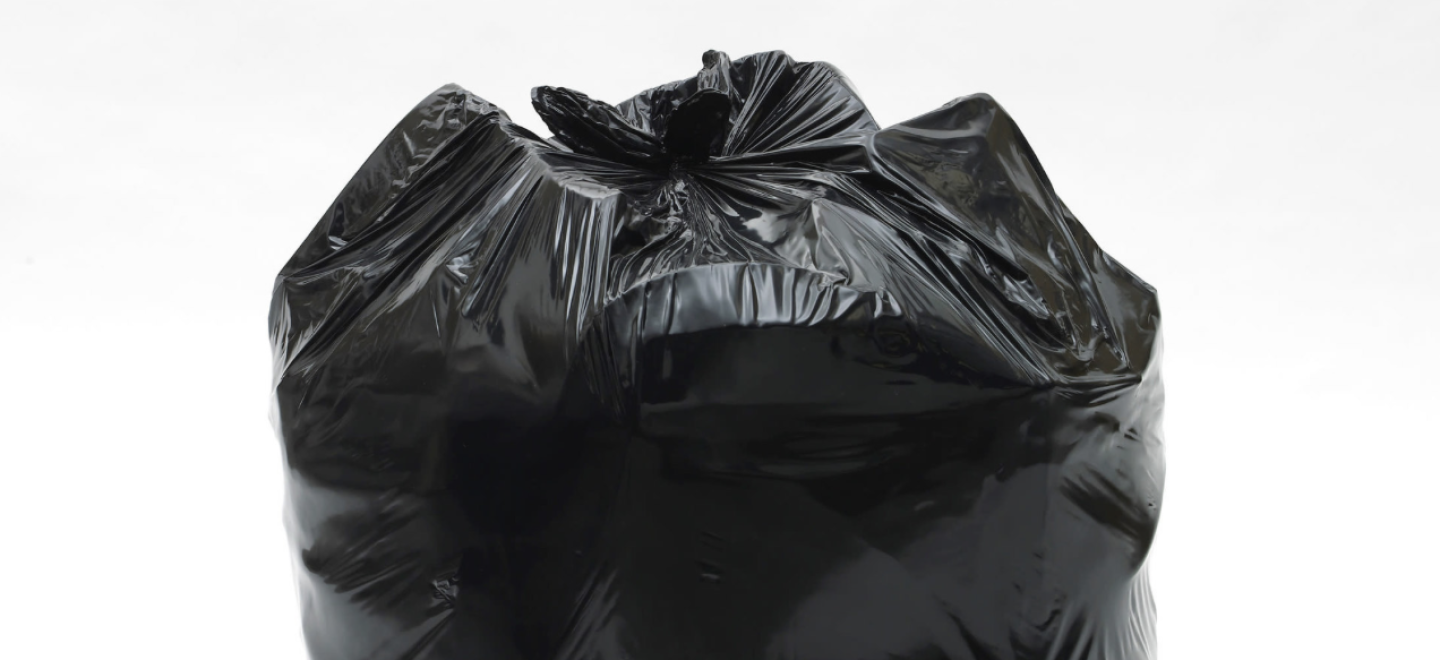
But then there’s art that looks like actual trash. Gavin Turk’s painted bronze "American Bag" looks exactly like a black plastic trash bag. I was completely fooled, and that's precisely what Turk wants to do as he plays with ideas of authenticity and parody.

Tony Tasset uses resin and mixed media to serve up Jackson Pollock-like works of spilled sauces while Chris Thorson creates copies of disposable grocery bags made of hand-grown, organic silk.
Quint is pleased with the online-only experience the exhibit offers.
"I think that the images come across very well and the idea comes across very well without you sitting down in a gallery seeing it," Quint stated.
Garbage is the first online-only exhibition the museum has tried and people are responding favorably.
"Looked through the inbox again and it was flooded with inquiries about garbage and where it came from," Chan said. "Some people responded with poems about garbage, and I thought that that was super interesting. It's certainly gotten a lot more traction than I had initially perceived it would, but it makes me hopeful for the future of the online exhibitions that Mark and I are planning on doing after 'Garbage.'"
But whether online or in person, The Museum Of __ will follow the passions of its curators.

"I like a lot of art that takes the form of ideas and things that aren't necessarily seen but passed down like a, like a really good story, or like a specific thing about an object that's like a well-kept secret," Chan said.
Hopefully that secret is getting out with this virtual exhibition that is accessible to anyone, anywhere. And while many of The Museum Of __ exhibitions are culled from Quint's large warehouse of curiosities, he’s also open to people digging into their own collections.
"As far as The Museum Of __, we're always looking for ideas," Quint said. "So feel free to get in contact with us if you have interesting collections but they have to be kind of unusual."
Unusual but sometimes in a mundane way so that we look at the objects that might surround us in our everyday life and see them with new eyes.


