This winter’s large-scale immigration crackdown in Minnesota resulted in a broad range of negative outcomes, including more than $200 million in lost wages, decreased school attendance and increased mistrust of local law enforcement, according to a study published Tuesday by UC San Diego.
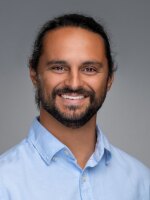
Tom Wong, associate professor of political science and director of the U.S. Immigration Policy Center surveyed hundreds of people in the Twin Cities of Minneapolis and Saint Paul. The research is the first to publish the broad range of effects from the federal immigration enforcement action known as Operation Metro Surge.
“Learning about, and understanding, what happened in Minnesota has become incredibly important — not just to document it historically, but also to kind of think about (what would happen) if San Diego might be next,” Wong said. “How might other states and cities compare.”
The federal government deployed thousands of ICE and Border Patrol agents to the Twin Cities between February and March. Videos of federal agents arresting immigrants and facing off against protesters quickly went viral.
Incidents like federal agents arresting 5-year-old Liam Cornejo Ramos, and fatally shooting U.S. citizens Renee Nicole Good and Alex Pretti inspired nationwide protests.
Beyond the headlines, Wong’s research suggests the broader impacts of Operation Metro Surge are far more reaching.
In the survey, nearly 60% of Twin City residents said they are now less likely to trust local law enforcement because of what they witnessed from federal immigration agents.
That lack of trust translates to lack of cooperation — with 40% percent of respondents saying they are less likely to seek help from law enforcement going forward.
Wong said having fewer people call 911 to report crimes could have negative public safety consequences in the Twin Cities.
ICE did not respond to a KPBS request for comment.
The survey also measured the economic toll of Operation Metro Surge. Wong found that 35% of people in Minneapolis and 20% of people in St. Paul said they missed work because of the federal operation.
People who missed work were not only undocumented immigrants fearful of being arrested by federal agents. The study shows immigration enforcement also impacted U.S. citizens and legal immigrants’ ability to work.
According to the survey, two thirds of people did not go to work because their place of employment was closed. More than one third of people who didn’t work were parents who stayed home because their child care providers were unavailable.
People with legal status may think immigration enforcement doesn’t affect them, Wong added, but the results showed almost $200 million in lost wages.
Those lost wages translate to lost economic output and fewer tax revenues.
“You have a huge economic loss that accrues to cities as a result of people not being able to work and not being able to spend,” Wong said.
The research also showed decreased school attendance and hospital visits connected to Operation Metro Surge.
Wong believes other cities can look to Operation Metro Surge as a warning for what they could experience if the Trump administration continues to launch similar operations. Understanding what may come their way can help them prepare for the enforcement surge and limit negative impacts.
“A study like this, which shows the broad implications, I think helps cities and states prepare and also potentially fight back,” he said.