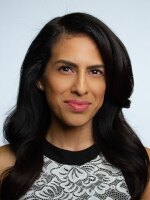
At a press conference on Nov. 26, Sharp’s Chief Nursing Officer Susan Stone said nurses currently earn an average salary of $160,000 a year for a full-time employee. But union leaders and nurses insist the figure is inflated and misleading.
The claim drew pushback from the Sharp Professional Nurses Network (SPNN), which represents more than 5,800 nurses and health care professionals now in ongoing contract negotiations
“Nurses are mystified where Susan Stone gets this $160,000 figure, and the question is, is she counting paid time off and retirement benefits? Is it a total compensation package? Is it a figure that counts in voluntary overtime, that counts in additional shifts that nurses have picked up that are paid at premium pay? In which case, implying and stating that its wages is misleading at best,” SPNN chief negotiator Pamela Chandran said.
Chandran said new nurses at Sharp currently start at $56.58 an hour, and that a nurse would need 29 years of experience to reach the equivalent of $160,000 a year in base pay alone.
Nurses were furious when they heard Sharp suggesting they earn that much on average, Chandran said.
“First at this overinflated figure, but also, really really hurt and upset that their employer would be painting them out to be greedy.”
Even many of the most seasoned nurses don’t recognize the $160,000 figure, said Danielle Begley, a surgical procedure nurse at Sharp Memorial with 18 years of experience.
“They said the average is $77 per hour and I make $75, so it's really confusing as to where they're getting their numbers,” said Begley.
She also questioned whether executive nurses were inadvertently included. Hearing the claim from Sharp’s chief nurse executive made it sting more, said Begely.
“For a nurse to do that to us is, it's just a low blow,” she said.
On Wednesday Sharp leaders said the figure is accurate, but emphasized that it reflects total cash compensation, not base pay alone.
“$77 an hour, which also equates to $160,000 annually for full-time equivalent, is a correct and factual number,” said Rita Essaian, Chief People Officer for Sharp HealthCare.
She said more than 75% of Sharp nurses receive extra forms of compensation beyond base pay.
“We ran all the earnings for the bargaining unit nurses. We took all those earnings, divided by the amount of people that we have in the bargaining unit and the average hourly rate is a little above $77. So that's inclusive of regular time, preceptor time, orientation, shift differentials,” she said.
Stone said the disconnect may stem from nurses comparing the figure to the wage grid rather than to what they actually take home.
“Is that their base minimum pay? No, we never said that. It is the total gross income divided by the number of nurses that we have. And we used the average hourly wage to calculate that,” Stone said.
Sharp said the calculation includes clinical nurses, advanced clinicians, and per-diem nurses, but excludes managers and anyone outside the bargaining unit.
Union leaders and nurses said Sharp’s framing obscures real struggles around affordability, retention, and morale. Sharp maintains its average is valid and reflects the true scope of nurse compensation.
The larger issue is how the inflated figure is being perceived publicly, Begley said.
“It's very misleading, and it just feels very wrong,” she said.
Negotiations are expected to continue next week with the help of a federal mediator, Sharp said.