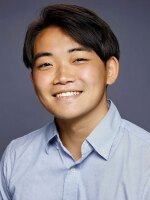
As damning rape and sexual abuse allegations against American civil rights icon César Chávez emerged two weeks ago, Max Reyes didn’t hesitate.
The next day Reyes removed the labor leader’s name from the César Chávez Day march in the city of Brawley, an event he had organized for two decades. On Facebook, he renamed it the “Brawley El Movimiento March.”
“For those of us who respected and admired César Chávez for his work in the UFW, these are sad times,” Reyes, the son of Mexican American migrant farmworkers, wrote on Facebook. “As accusations rise, we will respect the truth.”
Across California, farmworking communities have been reeling since The New York Times reported in mid-March that Chávez allegedly sexually abused the daughters of two prominent organizers and raped fellow civil rights leader Dolores Huerta, cofounder of the legendary United Farm Workers union.
The allegations have been particularly painful for residents of Brawley, the small Imperial Valley farming city where Chávez lived as a teenager and where his wife, Helen Fabela Chávez, was born.
Here, César Chávez’s name is memorialized along a central street. A painting of the labor icon is emblazoned on the east wall of the school he attended, Miguel Hidalgo Elementary School.
“His history is intertwined with people who still call Brawley home,” Brawley City Council Member Gil Rebollar told KPBS in an email. “He is a part of our city's history.”

Although Chávez is best known for his leadership during farmworkers strikes at Central Valley grape vineyards and the 300 mile-long march to Sacramento in the 1960s, he began his organizing work in the Imperial Valley.
Even back then, the valley’s agricultural sector was a $100 million industry. Farms in the region produced tens of thousands of carloads of alfalfa, sugar beets and lettuce, along with dozens of other crops.
Reyes, the march organizer, saw the farmworkers movement grow firsthand. His mother worked on carrot farms in neighboring Holtville. His father planted cantaloupe seeds and traveled north to work in the Central Valley’s grape and chili packing sheds.
During the summers, Reyes and his siblings would join his father at work up north for a few months before coming back to Brawley for school.
Mexican American farmworkers and other communities of color faced racism, harsh working conditions and violence. Reyes had just graduated from high school when strikebreakers shot and killed Rufino Contreras, a 27-year-old UFW member from Mexicali, during a lettuce strike in 1979.
Chávez and other organizers sought to expose those conditions and uplift the Mexican American community. Many Brawley families rose to join their cause, Reyes said, organizing alongside Chávez or serving as bodyguards and chauffeurs.
“There’s quite a few families here that were touched,” Reyes told KPBS last week. “So all these allegations came out — it was a shock.”

Chávez’s alleged abuse came to light earlier this month after Ana Murgia and Debra Rojas, the daughters of longtime United Farm Workers organizers, told the Times that Chávez abused them both when they were children in the 1970s.
Huerta told the Times that Chávez manipulated her into sex and raped her in the 1960s. In a statement, she said she had stayed silent because she believed that exposing the truth would hurt the farmworkers movement.
“The farmworker movement has always been bigger and far more important than any one individual,” Huerta wrote. “I have kept this secret long enough.”
In the following days, cities, groups and community leaders have acted decisively. Many have excoriated the alleged abuses and removed Chávez’s name from schools, streets and buildings. Late last week, California lawmakers officially renamed “César Chávez Day” to “Farmworkers Day.”
In Brawley, city officials are currently reviewing options for renaming César Chávez Street. Rebollar, the city councilmember, said they hope to have an open and transparent discussion with residents about the decision.
“I think the bigger debate will be what comes next,” he wrote in an email. “Do we honor somebody else from Brawley’s history? What is the process of vetting an individual to ensure we do not go through this again?”
The City Council could discuss those changes as soon as their next regular meeting on April 7.

For Brawley, the allegations raise searching questions about how to acknowledge both the deep harm Chávez caused to the women he allegedly abused and the attention he simultaneously brought to farmworker communities like theirs who were exploited and ignored for generations, Rebollar said
“At a deeper level, I also think this says something about men in power,” Rebollar wrote. “Sometimes people do real good in public and real harm in private, and communities are left to wrestle with both.”
Reyes said part of that will be teaching a new history of Chávez. Telling the truth about the Imperial Valley’s past, he said, has always been his goal for the march.
“We are not a cult,” Reyes said. “We won’t hang onto our leaders and their flaws, and try to protect them at all costs.”
“We can’t just say he didn’t exist,” he added. “But we’ll tell the truth.”