For people who ride bicycles in San Diego County, the San Diego County Association of Government’s Bike Anywhere Day is like the Super Bowl.
It’s a massive event that celebrates cycling as a sustainable alternative to car culture. On Thursday, dozens of participating organizations will host over 100 designated “pit stops” from Oceanside to Tijuana.
But one bike co-op, City Heights-based Biked del Pueblo, is sitting this one out.
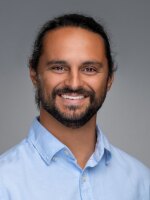
“We’re boycotting Bike Anywhere Day because we feel that it is unfair and wrong the SANDAG is selling data to the federal government,” said Bikes del Pueblo volunteer Cynthia Tecson, referencing SANDAG’s controversial contract granting U.S. Customs and Border Protection and Homeland Security Investigations access to the ARJIS criminal database.
KPBS reported last year that the contract gives federal immigration agencies access to data collected from every law enforcement agency in San Diego County, which is a potential violation of California’s immigrant sanctuary laws.
The database contains names, addresses, phone numbers, criminal records and vehicle information of people who interact with local police officers or sheriff’s deputies. ARJIS also includes several applications that law enforcement officers use to track down suspects.
While agencies like CBP and HSI are explicitly told not to use ARJIS data to enforce federal immigration law, SANDAG does not have any independent oversight authority to audit their searches in order to ensure compliance.
In January, several members of SANDAG’s board of directors questioned these contracts.
They pointed to the Trump administration’s heavy-handed immigration enforcement tactics, and alluded to federal court findings accusing CBP of violating people’s constitutional rights while conducting roving patrols.
San Diego City Councilmember Vivian Moreno (who serves on the SANDAG board) said she wanted to terminate future contracts.
“I’ve seen enough from our federal agencies to know that I do not want to participate in what ICE is doing,” she said during the January meeting.
Bikes del Pueblo’s boycott is the first time a community-based organization has launched a protest against SANDAG over the contract.
“We appreciate SANDAG’s advocacy on bicycle infrastructure, but we need them to stop selling data to the feds,” Tecson said.
On Monday, Bikes del Pueblo partnered with the San Diego County Bicycle Coalition to start an online petition asking SANDAG to stop granting CBP and HSI access to ARJIS. As of Tuesday morning, they had collected 860 signatures.
SANDAG did not respond to questions about the boycott.
This isn’t the first time Bikes del Pueblo has protested the Trump administration’s mass deportation efforts. Volunteers have organized community patrols where they ride bikes around the neighborhood looking for enforcement operations, said volunteer Elliot Varon.
“City Heights is a largely black and brown neighborhood that has been targeted by ICE,” Varon said. “So there have been a lot of ICE patrols going on.”

As part of their boycott Thursday, the organization will host an unofficial pit stop. Their goal is to help spread awareness about SANDAG’s contract with CBP within San Diego’s cycling community.
“Our call to action is for community members to contact their SANDAG representatives to urge them to vote against renewing the CBP contract in June,” said Kareston Markely, another volunteer.
Some county leaders are listening. County Supervisor Paloma Aguirre has been an outspoken critic of SANDAG’s contract.
“The fact that this group has decided to take a stand, I think takes a lot of courage,” said Aguirre, who is the county’s representative on the SANDAG board. “But I think it sends an important message to those who may not think that this is important.”
Aguirre said she’s sensitive to the fear of federal immigration agencies in vulnerable communities.
“I think that fear is real and I empathize and feel that fear every day in the work that I do and the stories I hear from my constituents,” she said. “That’s why I’ve been very vocal in my opposition.”
Aguirre has already asked SANDAG to kill the contracts, noting that fees collected from CBP and HSI account for less than 0.001 percent of the transportation agency’s budget.