Earlier this month, multiple women accused César Chávez of child sexual abuse and rape in The New York Times.
For Maria Figueroa, a professor and leader in local Chicano and Latino organizations, the following week felt like an eternity.
“It's very difficult to articulate, you know, because I think we're all, many of us, are still very much in our emotions, you know? And I point to my heart because it feels conflicted on so many, so many levels,” she said.
“Ultimately we need to question, like, why we uphold particular heroes and icons,” she said. “And I think we do so because colonialism, you know, and genocide did a number on us, right? It attempted to erase us.”
Figueroa said elevating icons like Chávez was a way to survive that erasure. To say, ‘Aquí estamos y no nos. vamos.’ To carve out space for themselves, culturally and physically.
“Statues are covered now,” she said. “Or, you know, busts are being chipped away and murals are being painted over or covered and so very, very swiftly.”
People are doing what they need to do to respond to the situation, she said. And, it’s a painful loss for a community that fought so hard to win representation in the first place.
The response to the allegations has been swift. Schools and streets are being renamed across the country. California renamed March 31 Farmworkers Day. Chávez’s face is rapidly disappearing from public spaces.
But the community’s processing is slow, Figueroa said.
“Our culture is very different. You know, I think we just need time for pause and reflection,” she said.
That pause and reflection is not to disregard the survivors, she said. But to figure out how to hold their stories in a way that honors them – something that will take longer than a week.
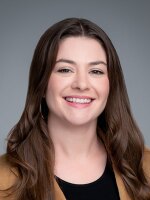
Monica Hernandez, the new executive director of the Chicano Park Museum and Cultural Center, shared a similar sentiment.
“Because we take the time to try and think collectively, that's why, you know, it's a slower process. And particularly in this instance, there are going to be long term wide range implications for our community. And that's why we feel the need for us to move in a very nuanced kind of way,” she said.
White-dominated modern media isn’t built for that kind of processing. Reporters call immediately. They need quotes now for a story today.
“We're being asked to sit in front of a camera, to think out loud things that we are still trying to process internally, right? There are conversations I haven't even had the time to have with myself,” she said. “We've experienced so much trauma, we’re marginalized, underrepresented. On a day-to-day, we’re already existing in a level of, like, survival mode, and then we have these moments of crisis where we're expected to drop everything to address that. And so it puts us in this really tough place spiritually, emotionally, intellectually.”
And while consequences for Chávez’s legacy have been swift, she doesn’t see the same consequences for other men.
“We have an ongoing problem [of] violence against women, regardless of race, regardless of ethnicity. This is something that continues to happen to women, that we have, again, someone in power right now that has – there's multiple allegations against him,” she said, referring to President Donald Trump. “Not just him, but many other men in power. And to this day, there has not been any accountability.”
Figueroa noted something else getting lost in all the conversations and questions about Chávez – the survivors.
Instead of focusing on the fall of an icon, she said we should focus on asking: How did this happen? And how can we make sure it doesn’t happen again?