

Andre Penner
/
AP
Adult Brazilian citizens are required to vote in presidential elections whether they live in the country or not. San Diegans' closest polling location is in Los Angeles.


MORE STORIES
-
 Supervisor John Hawk made the derogatory comment during an April transit agency meeting. Quechan President Jonathan Koteen said the remarks were “egregious” and reliant on racial stereotypes.
 -
 Proponents say Prop. 2 would allow the state to shore up its reserves for an economic downturn. Critics say it would only allow state leaders to spend more in the future.
 -
 The moratorium will head before the San Diego City Council on Monday. If passed, it would temporarily pause data center development within city limits until the city can develop regulations.
 -
 The annual Halloween procession invites costumed cyclists to ride from North Park to Mount Hope Cemetery on Saturday.
 -
 Jon Schnitzer of the "Something Spooky" show came to San Diego to investigate paranormal activity at the world-famous strip club, which owner Kata Pierce-Morgan says is haunted.
 -
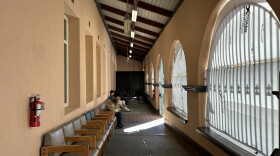 Father Joe’s Villages opened up a new day center at their main campus in downtown San Diego on Oct. 1, carving out a section of the Joan Kroc Center. The day before, the Neil Good Day Center closed its doors after more than three decades of serving unhoused San Diegans.
 -
 The lawsuit claims that the utility failed to maintain various electrical equipment on one of its circuits, “which were at risk of failing.”
 -
 Fall finally felt like fall in the San Diego area Thursday as a mild October storm moved through, delivering a long-awaited cool- down to the region along with widespread showers.
 -
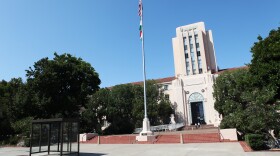 The lawsuit alleges the Starlight Solar project slated for the East County community didn't receive a proper environmental review.
 -
 A San Diego Superior court ruling allows Rady Children’s Hospital to turn away some new patients seeking gender-affirming care amid a legal battle with the state.


Sign up for our newsletters!
Keep up with all the latest news, arts and culture, and TV highlights from KPBS.


- Councilmember wants less 'defensive' response to report on biking in San Diego
- North County school board candidate declines to discuss far-right anti-vax activism
- SDG&E sued over Norte Fire in San Clemente
- Stay Strange San Diego hosts annual Cemetery Creep bike ride
- Les Girls Theater is haunted, 'very haunted'


