Experts said negative media portrayals of veterans as being damaged and traumatized contribute to social stigma, which then discourages people from seeking help.
In September, a San Diego Navy veteran allegedly shot his wife and daughter to death before taking his own life, according to the San Diego Police Department.
One of the man's relatives told reporters the man and his wife had been turned away from the VA San Diego Medical Center that day and that the man had Post-Traumatic Stress Disorder, or PTSD.
But the man's father-in-law also told the San Diego Union-Tribune he didn't know whether he'd been diagnosed with the condition.
VA San Diego declined to comment on the case due to privacy concerns. But a VA spokesperson disputed the relative's version of events in a comment to Fox 5.
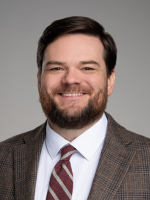
David Linkh, the research director of the Cohen Veterans Network, told KPBS misconceptions about people living with PTSD are persistent — especially that individuals with PTSD are dangerous.
"It's not just the American public," Linkh said. "It's veterans themselves that have misperceptions about rates of PTSD, the nature of PTSD and the implications of that."
Linkh spoke generally about misconceptions people have about PTSD but did not comment specifically on the San Diego case.
The Cohen Veterans Network is a nonprofit that runs mental health clinics for service members and veterans.
In 2021, it published the results of a survey that found 1 in 4 Americans think people with PTSD are violent.
"In terms of dangerousness, there's really no substance to those claims," he said. "We don't want folks to feel apprehensive about interacting with veterans."
The VA's National Center for PTSD researches the condition. It said PTSD is associated with an increased risk of violence because of other risk factors — like substance use and other psychiatric conditions.
The prevalence of PTSD among veterans is only slightly higher than that of the general public, Linkh said. According to Linkh, 6% of the general public will experience PTSD in their lifetime, and 7% of veterans will.
And just like the general population, veterans are susceptible to a variety of mental health challenges, he said.
"It's not always PTSD,” Linkh said. "PTSD, depression, anxiety, family, challenges in family relationships, all of the common mental health issues impact veterans as well as the general population."
Research shows negative stereotypes around veterans and PTSD can lead to social isolation among veterans and discourage them from asking for help.
"If the myth persists that either help is unavailable or it's ineffective, folks don't have an incentive to seek care," Linkh said.
He wants people to know there are effective treatments available for anyone living with PTSD.
"The (misconceptions) that trouble me the most — that PTSD is either inevitable, chronic or incurable — and it's none of the above," he said.
If you or someone you know is having thoughts of suicide, please call or text the Suicide and Crisis Lifeline at 988. The Veterans Crisis Line is reachable by dialing 988 and pressing 1.